Social Services
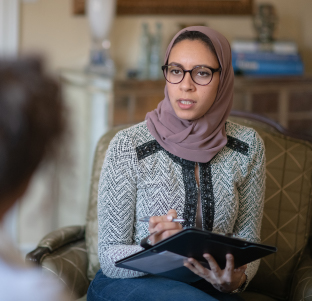
Torture occurs within a cultural and social context. It breaks the connections between individuals and their social environment. It separates the bonds of communities. Social work interventions, therefore, are directed at individuals, their families and immediate environments, community, social, and functional groups, and policies and systems. These are accomplished through direct service, resource development, community interventions, education and training, research, and public policy work.
resource
General Services for Immigrants, Survivors of Torture and Refugees
Archived Webinar
Introduction to Case Management 101: Introduction to a Video Mini-course

resource
The Complex Care of a Torture Survivor in the United States: The Case of “Joshua.”
resource
Improving Well-Being for Refugees in Primary Care: A Toolkit for Providers
Can’t find what you’re looking for? Let us help you.
Archived Webinar
In Hard Times We Do Projects: The Tree of Life and Other Arts-Based Responses to Hardship and Trauma
Archived Webinar
Supporting the Supporters: Trauma-Informed Organizational Care for Interpreters and Cultural Brokers Serving Refugee Survivors
resource
Associations between trauma exposure and symptoms of depression and anxiety among first, second, and later-generation immigrant college students
resource
The role of maternal postmigration living difficulties in intergenerational trauma transmission among asylum-seeker mother–child dyads
resource
A Scoping Review of Family-Based Interventions for Immigrant/Refugee Children: Exploring Intergenerational Trauma
resource
Unpacking the Wounds of Cultural Displacement: Trauma, Healing, and Reconciliation in Jhumpa Lahiri’s The Namesake