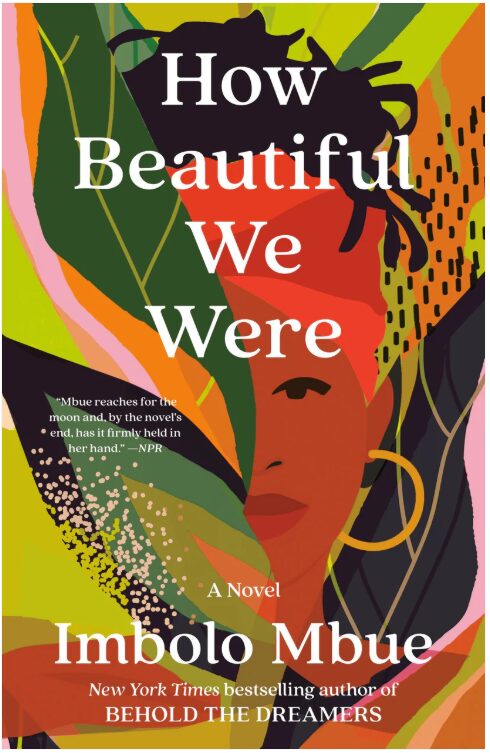
Intergenerational Trauma and the Immigrant Experience in Imbolo Mbue’s How Beautiful We Were
Al-Qaraghouli, M. S. O., & Al-Taee, S. F. A. (2025). Intergenerational Trauma and the Immigrant Experience in Imbolo Mbue’s How Beautiful We Were.
This paper is an exploration of intergenerational trauma and immigrant identity in Imbolo Mbue’s How Beautiful We Were through Rob Nixon’s ‘slow violence’ and Homi Bhabha’s ‘thirdspace.’ The novel depicts the environmental destruction of Kosawan village by Western oil companies, creating cascading trauma that extends beyond immediate ecological damage to profound psychological wounds transmitted across generations through contaminated resources and destroyed traditional life. This devastation forces migration to the West—the very region whose corporate interests caused their suffering—creating a cyclical violence where perpetrators become destinations for victims. Nixon’s slow violence framework illuminates how environmental destruction generates accumulating intergenerational trauma, while Bhabha’s thirdspace concept reveals how immigrant characters navigate between African heritage and American assimilation while carrying inherited wounds of environmental racism and corporate exploitation. Through textual analysis, this study demonstrates how Mbue’s work challenges individualistic trauma narratives, presenting intergenerational trauma as both product of slow violence and catalyst for collective resistance, ultimately contributing to literature that centres communitybased healing practices over Western-centric approaches to trauma recovery. [Abstract by Author]
You know what I’m realizing? he said. Living is painful. That’s why we so often forget that we’re dying, we’re too busy catering to our pains. I think it’s one of nature’s tricks–it needs us to not dwell on the fact that we’re dying, otherwise we’d spend our days eating low-hanging fruits from trees and splashing around in dear rivers and laughing while our pointless lives pass us by.” -Imbolo Mbue
Additional Resources on Intergenerational Trauma
-
resourceUnpacking the Wounds of Cultural Displacement: Trauma, Healing, and Reconciliation in Jhumpa Lahiri’s The Namesake
-
resourceA Scoping Review of Family-Based Interventions for Immigrant/Refugee Children: Exploring Intergenerational Trauma
-
resourceThe role of maternal postmigration living difficulties in intergenerational trauma transmission among asylum-seeker mother–child dyads
-
resourceWhere All the People are Fantastical and Magical and Hurting: Intergenerational Trauma and Social-Emotional Learning in Encanto
-
resourceAssociations between trauma exposure and symptoms of depression and anxiety among first, second, and later-generation immigrant college students